HOURS: Mon–Sat

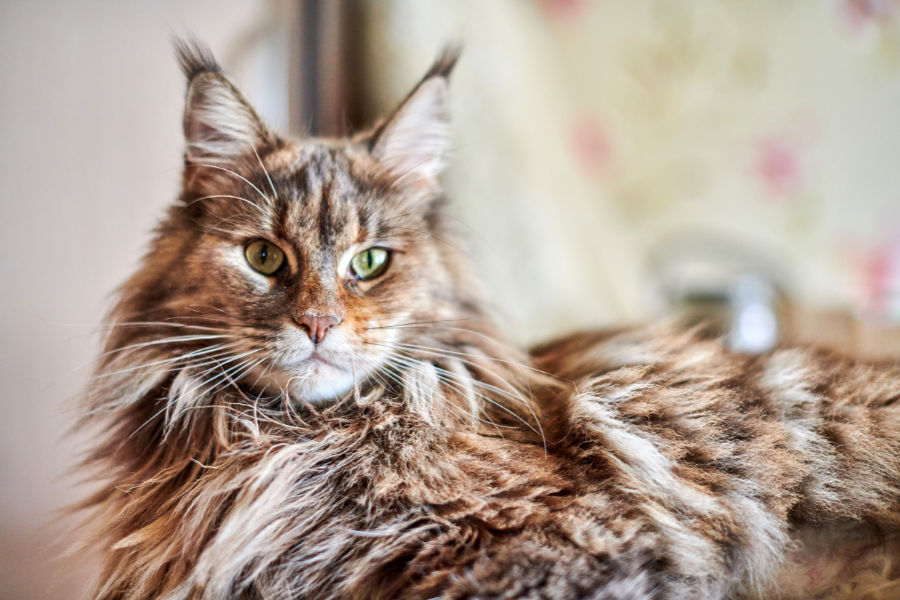
Cats are often described as independent, but that does not mean every cat is easy to live with. Some breeds can be highly energetic, persistent, vocal, intelligent, or easily bored. That can make training and daily routines more demanding. When discussing cat breeds that are hard to train, it is important to remember that breed is only one piece of the picture. Individual personality, early social experiences, environment, age, and previous learning all matter. At Horse Heaven Hills Pet Urgent Care and Veterinary Center in Kennewick, WA, veterinarians can help families separate normal behavior from signs of stress or illness. Here are 10 breeds that may require extra patience and practical strategies for living together successfully.
Which Cat Breeds Can Be More Challenging to Train?
Some cat breeds can be more challenging because they are energetic, independent, vocal, highly curious, or easily bored. Breeds often described this way include the Bengal, Siamese, Savannah, Abyssinian, Oriental Shorthair, Turkish Van, Maine Coon, Sphynx, Cornish Rex, and Devon Rex.
That does not make these cats “bad” pets. In many cases, the same traits that make them challenging also make them engaging companions.
| Breed | Trait that may require patience | Helpful approach |
| Bengal | High energy and curiosity | Interactive play and enrichment |
| Siamese | Vocal and socially demanding | Consistent interaction |
| Savannah | Active and adventurous | Safe outlets for exploration |
| Abyssinian | Curious and busy | Frequent enrichment |
| Oriental Shorthair | Social and expressive | Mental stimulation |
| Turkish Van | Independent and active | Respectful, consistent training |
| Maine Coon | Large, playful, persistent | Structured play and routines |
| Sphynx | Social and attention-seeking | Frequent interaction |
| Cornish Rex | Energetic and playful | Exercise and puzzle activities |
| Devon Rex | Curious and people-focused | Positive reinforcement |
These are broad breed tendencies, not guarantees about an individual cat.
Why Can Some Cats Be Difficult to Train?
Cats generally respond best when training is based on motivation rather than punishment. A cat may ignore a command because it does not understand what you want, does not find the reward worthwhile, feels stressed, or simply has a different priority.
For example, a highly active cat may repeatedly jump onto a counter because the area provides stimulation or access to something interesting. Removing the motivation and providing a more appropriate alternative can work better than punishment. Patience is especially important with cats because forcing interaction can increase fear and resistance.
How Can You Train a Challenging Cat?
Positive reinforcement is usually the most useful starting point. Reward the behavior you want to see and make the desired choice easier for your cat.
Try these strategies:
- Keep training sessions short.
- Use rewards your cat values.
- Practice when your cat is calm and interested.
- Repeat the same cue consistently.
- Redirect unwanted behavior instead of punishing it.
- Provide scratching posts, climbing areas, and interactive toys.
- End sessions before your cat becomes frustrated.
Small improvements can add up. Training does not need to happen for long periods to be effective.
How Does Enrichment Help?
Many challenging behaviors are linked to boredom or a lack of appropriate outlets. Cats need opportunities to stalk, chase, climb, scratch, explore, and rest.
Rotate toys rather than leaving every toy available all the time. Food puzzles, climbing structures, window perches, and interactive play can provide mental and physical stimulation.
A concrete example is a cat that repeatedly attacks moving feet during the evening. Adding scheduled interactive play before the cat’s usual high-energy period may provide a safer outlet for that behavior.
What If My Cat Suddenly Becomes Difficult?
A sudden behavior change should not automatically be blamed on personality or breed. Pain and illness can cause cats to hide, become irritable, stop using the litter box, vocalize more, or avoid interaction.
Hypothetical case: A normally friendly cat began resisting handling and hiding whenever family members approached. The veterinarian did not assume the behavior was simply stubbornness. After an examination revealed discomfort, the family received a treatment plan and environmental recommendations, and the cat gradually became more comfortable.
Behavior changes that appear suddenly deserve attention because medical problems can sometimes look like training problems.
What Behaviors Should Concern Cat Owners?
Not every undesirable behavior requires veterinary care, but certain changes should prompt a closer look.
Contact your veterinarian in Kennewick if your cat develops:
- Sudden aggression
- New litter box avoidance
- Repeated vocalization
- Hiding more than usual
- Reduced appetite
- Excessive grooming
- Sudden fearfulness
- Difficulty jumping or moving
- Changes in drinking or urination
A medical evaluation is particularly important when behavior changes happen quickly.
Which Cat Is Right for Your Family?
Breed should be only one consideration when choosing a cat. Think about your household’s activity level, available space, schedule, tolerance for vocal behavior, and willingness to provide enrichment.
A highly active breed may thrive with an engaged household but struggle in an environment where there is little interaction. Likewise, a quieter family may prefer a cat with a calmer individual personality. Meeting an individual cat and learning about its temperament can be just as important as researching breed characteristics.
Conclusion
Understanding cat breeds that are hard to train can help you set realistic expectations, but no breed determines personality on its own. Energetic and highly social cats may need more enrichment, consistency, and patience, while sudden behavior changes should always raise the question of an underlying medical problem. If you are looking for a vet near you then Horse Heaven Hills Pet Urgent Care and Veterinary Center in Kennewick, WA, can help when you are unsure whether a behavior is normal or connected to your cat’s health. With positive reinforcement, appropriate enrichment, and a willingness to understand your cat’s needs, even challenging behaviors can often become more manageable.
FAQs
Q1: What cat breeds are hardest to train?
A: Breeds such as Bengals, Siamese, Savannahs, Abyssinians, and Oriental Shorthairs may require more patience because of their energy, intelligence, curiosity, or social needs. Individual temperament is still more important than breed alone.
Q2: Are difficult-to-train cats bad pets?
A: Not at all. Many cats that require more attention are highly interactive and entertaining companions. They simply may need more enrichment and consistent training.
Q3: How do you train a cat that does not listen?
A: Use positive reinforcement, short sessions, valuable rewards, and consistent cues. Redirect unwanted behavior toward an activity or location where the cat can succeed.
Q4: How long does cat training take?
A: There is no fixed timeline. Some behaviors improve quickly, while others require weeks or longer of consistent practice and environmental changes.
Q5: When should a behavior change be checked by a vet?
A: Sudden aggression, hiding, litter box problems, appetite changes, excessive grooming, or changes in movement can sometimes indicate pain or illness. A veterinarian should evaluate significant or unexplained changes.