HOURS: Mon–Sat

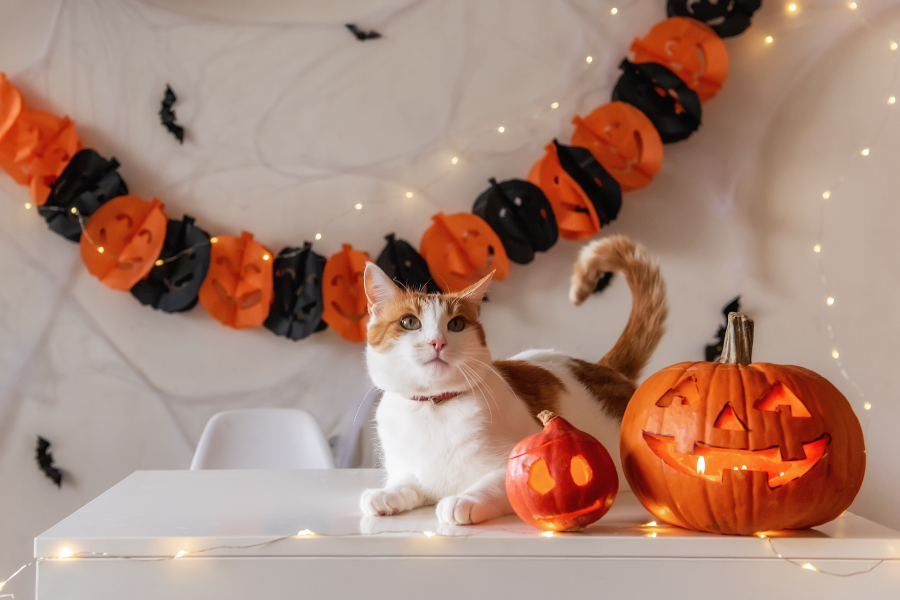
Halloween can be exciting for families, with candy bowls, trick-or-treat bags, costumes, and visitors coming to the door. For pets, however, the extra activity can create unexpected hazards. A dog may grab chocolate from a child’s bag, a cat may chew on a discarded wrapper, or a curious pet may reach medication or household chemicals left within easy reach during a busy evening.
When a pet swallows something harmful, knowing what to do can make a difference. Some substances cause problems quickly, while others may not produce signs until hours later. Halloween pet emergencies can involve poisoning, choking, stomach upset, or intestinal blockages, so it is important to recognize the risks and respond promptly. Horse Heaven Hills Pet Urgent Care and Veterinary Center in Kennewick, WA, encourages pet owners to learn the warning signs, keep common hazards out of reach, and seek veterinary guidance when a potentially dangerous exposure occurs.
What Should You Do If Your Pet Eats Halloween Candy or Something Toxic?
If your pet eats potentially toxic candy or another harmful substance, contact a veterinarian or animal poison control service immediately. Remove access to the remaining items, keep the packaging, and follow professional instructions rather than trying a home remedy.
Do not wait for symptoms if your pet may have swallowed chocolate, xylitol, medication, or another known toxin. Some substances can cause serious harm before a pet appears sick.
Take these steps:
- Move your pet away from the hazard. Remove the remaining candy, food, chemical, or other substance from reach.
- Identify what was eaten. Check the ingredient list and packaging, if available.
- Estimate the amount. Note how many pieces may be missing and whether your pet swallowed wrappers or sticks.
- Record the timing. Tell the veterinary professional when the exposure may have happened.
- Call for guidance promptly. Share your pet’s species, approximate weight, symptoms, and any known health problems.
- Follow the recommended next steps. If immediate examination is advised, arrange transportation without delay.
Do not induce vomiting unless a veterinary professional specifically instructs you to. This can be dangerous with some substances, including corrosive cleaners and petroleum-based products. Do not give milk, oil, salt, hydrogen peroxide, or medication as a home treatment unless a veterinary professional directs you to do so. If your pet has seizures, collapses, struggles to breathe, or becomes unresponsive, seek emergency veterinary care immediately.
Which Halloween Candies Are Dangerous for Pets?
Many Halloween sweets are unsafe for dogs and cats. The risk depends on the ingredients, the amount swallowed, and your pet’s size and health.
Chocolate
Chocolate contains theobromine and caffeine, which can affect a pet’s heart and nervous system. Cocoa powder and baking chocolate are generally more concentrated than milk chocolate, while dark chocolate can also pose a serious risk.
Possible signs include vomiting, restlessness, increased thirst, a fast heartbeat, tremors, or seizures. Contact a veterinarian promptly if your pet eats chocolate, even if they seem normal at first.
Sugar-free sweets containing xylitol
Xylitol is a sweetener found in some sugar-free gum, mints, candies, and other products. In dogs, it can cause a rapid drop in blood sugar and may lead to severe illness, including liver injury.
Check the ingredients of sugar-free products carefully. If your dog eats something containing xylitol, contact a veterinarian immediately rather than waiting for symptoms.
Raisins and grape-containing snacks
Grapes and raisins can cause serious kidney injury in dogs. Some seasonal snack mixes and treats contain raisins alongside chocolate, nuts, or other ingredients. Keep these products away from pets and seek veterinary advice if ingestion occurs.
Alcohol-filled candy
Some chocolates and sweets contain alcohol. Alcohol can be toxic to pets and may cause vomiting, poor coordination, weakness, and more serious nervous system problems.
Candy wrappers and sticks
Wrappers may cause choking or intestinal blockage if swallowed. Lollipop sticks, plastic packaging, and other small items can also injure the mouth or digestive tract.
Even candy without a known toxic ingredient can cause stomach upset when eaten in large amounts. When the ingredients or amount are uncertain, contact a veterinary professional for advice.
What Are the Signs of Candy Poisoning or Accidental Toxic Exposure?
Signs vary depending on the substance, the amount swallowed, and how your pet’s body responds. Some pets develop digestive symptoms first, while others show changes in movement, behavior, or breathing.
Watch for these possible warning signs:
- Vomiting or diarrhea
- Drooling more than usual
- Restlessness or unusual agitation
- Loss of appetite
- Weakness or unusual tiredness
- Stumbling or difficulty walking
- Muscle tremors or seizures
- Increased thirst or urination
- A fast or irregular heartbeat
- Difficulty breathing
- Collapse or reduced responsiveness
Swallowed wrappers can cause a different set of problems. Your pet may vomit repeatedly, lose interest in food, develop abdominal pain, or struggle to pass stool if an obstruction occurs. These signs require veterinary assessment.
Do not assume that a pet is safe because they appear normal after eating something concerning. Some toxic effects are delayed, and waiting for symptoms can reduce the opportunity for early treatment.
Seek veterinary care immediately if your pet has seizures, collapses, has difficulty breathing, or becomes unresponsive. Repeated vomiting, severe weakness, a painful or swollen abdomen, or suspected ingestion of a dangerous substance also warrants prompt veterinary advice.
How Do Veterinarians Treat Halloween-Related Poisoning?
Veterinarians assess possible poisoning by considering the substance, amount, timing, your pet’s size, and any symptoms. Treatment is tailored to the exposure and may include monitoring, blood tests, medication, fluids, or other supportive care.
Your veterinarian may ask for:
- Your pet’s age, weight, and medical history
- The product name and ingredient list
- The estimated amount eaten
- When the incident happened
- Whether wrappers or other objects were swallowed
- Any symptoms that have appeared
Depending on the exposure, the veterinarian may recommend tests to check blood sugar, organ function, hydration, or other concerns. Some pets may need observation or hospitalization because symptoms can develop later.
Hypothetical example: A dog named Milo gets into a trick-or-treat bag and eats several pieces of candy before his family notices. The owner checks the packaging and discovers that some pieces contain dark chocolate and sugar-free gum. The owner calls a veterinary clinic immediately, shares the product details, and follows the recommendation to bring Milo in for assessment. The veterinary team evaluates the possible exposure and determines the appropriate monitoring and treatment.
Not every candy ingestion requires the same treatment. Some substances may need specific medical care, while others may cause only mild digestive upset. Your veterinarian will decide what is appropriate based on the known risks and your pet’s condition.
Never try to treat poisoning with a home remedy or use medication intended for people. If you have already given your pet something in an attempt to help, tell the veterinarian exactly what was given and how much.
What Other Halloween Hazards Can Cause an Issue in Pets?
Candy is not the only concern during Halloween. Busy homes, open doors, decorations, and party supplies can expose pets to other risks.
Common hazards include:
- Human medications: Pain relievers, prescription medicines, and supplements may be dangerous if swallowed.
- Cleaning products: Some cleaners can irritate or burn the mouth, skin, and digestive tract.
- Rodent poisons and insecticides: These products can cause serious illness, and the effects vary by ingredient.
- Decorative items: Small objects, batteries, and pieces of plastic can cause choking or internal injury.
- Glow sticks: Chewing a glow stick may cause mouth irritation, drooling, or distress.
- Candles and electrical cords: Curious pets may suffer burns or injuries if they knock over a candle or chew a cord.
- Open doors: Excited or frightened pets may slip outside when visitors arrive.
- Costume parts: Loose accessories, strings, and small decorations may be swallowed or become tangled around a pet.
Some pets also become stressed by doorbells, unfamiliar people, loud noises, and changes in routine. Stress may lead to hiding, pacing, or attempts to escape.
Before the festivities begin, move dangerous products and small decorations to secure storage. Keep pets away from food preparation areas and do not leave bags or party supplies on the floor.
If your pet chews a decoration or contacts a chemical, remove them from the hazard and contact a veterinarian for guidance. For a serious injury, breathing difficulty, or collapse, seek emergency care immediately.
How Can You Keep Your Pet Safe on Halloween?
Planning ahead can reduce the risk of accidental poisoning and other seasonal injuries. The most effective approach is to keep hazardous items out of reach and give pets a calm, secure place during busy periods.
Use this checklist before Halloween activities begin:
- Store candy in closed containers or cabinets.
- Keep trick-or-treat bags, purses, and backpacks out of reach.
- Remind children and guests not to share candy with pets.
- Check labels for chocolate, xylitol, raisins, and other risky ingredients.
- Empty rubbish bins regularly and use lids that pets cannot open.
- Keep medication and cleaning products in secure storage.
- Remove small decorations and loose costume accessories from the floor.
- Keep pets away from lit candles and electrical cords.
- Set up a quiet room with water, bedding, and familiar toys.
- Make sure your pet cannot slip through the door when visitors arrive.
If your pet wears a costume, make sure it does not restrict breathing, movement, vision, or normal behavior. Remove any costume that causes distress or contains small parts your pet might chew.
Keep identification details current and supervise pets around open doors. A frightened animal may run outside even if they normally stay close to the family.
It is also useful to save your regular veterinarian’s number and identify the nearest emergency veterinary hospital before Halloween night. Having these details ready can save time if an accident occurs.
When Should You Seek Veterinary Care?
Contact a Kennewick veterinarian immediately if your pet eats a potentially toxic substance, including chocolate, xylitol-containing sweets, grapes, raisins, medication, or certain chemicals. You should also seek advice if your pet swallows packaging or an unknown object that could cause a blockage.
Do not wait for symptoms when a known toxin may be involved. Early assessment can help the veterinary team determine the safest response before signs become severe.
Seek emergency veterinary care if your pet:
- Has difficulty breathing
- Collapses or becomes unresponsive
- Experiences seizures or severe tremors
- Develops sudden, severe weakness
- Has repeated vomiting or significant abdominal pain
- Has a swollen abdomen and repeatedly tries to vomit without bringing anything up
- Strains to urinate but cannot pass urine
- Has a serious burn, injury, or suspected dangerous chemical exposure
If your pet appears comfortable but you know they swallowed a potentially harmful item, call for veterinary guidance rather than relying on appearance alone. Keep the packaging nearby and be ready to explain the amount, timing, and symptoms.
If your regular veterinary clinic is unavailable, contact a local emergency veterinary hospital or an animal poison control service. In the United States, the ASPCA Animal Poison Control Center and Pet Poison Helpline can provide case-specific guidance, and fees may apply.
When you receive instructions to seek immediate care, do not delay the trip to search for additional information online or try a home remedy.
Conclusion
Halloween can be enjoyable for families, but candy ingestion and accidental poisoning are preventable risks for pets. Chocolate, xylitol-containing sweets, raisins, alcohol-filled candy, medications, chemicals, and swallowed wrappers can all cause problems. Keep these hazards out of reach, check ingredient labels, and give pets a quiet, secure space during busy celebrations.
If you suspect your pet has eaten something harmful, remove access to the substance, save its packaging, and contact a veterinary professional immediately. Do not wait for symptoms or attempt home treatment without guidance. Horse Heaven Hills Pet Urgent Care and Veterinary Center in Kennewick, WA, can be contacted for guidance on your pet’s care needs. When an exposure may be dangerous, prompt veterinary advice is the safest next step.
FAQs
Q1: What should I do if my pet eats Halloween candy?
A: Remove the remaining candy and check the ingredients and packaging. Contact a veterinarian promptly if the candy contains chocolate, xylitol, raisins, alcohol, or other potentially harmful ingredients, or if you are unsure what was eaten. Do not induce vomiting unless a veterinary professional instructs you to.
Q2: How do I know if my pet has candy poisoning?
A: Possible signs include vomiting, diarrhea, restlessness, weakness, difficulty walking, tremors, or changes in breathing. Some toxic effects may be delayed, so a pet can appear normal at first. Seek veterinary advice immediately if a potentially toxic product was swallowed.
Q3: Can a pet recover after eating something poisonous?
A: Recovery depends on the substance, amount, timing, and severity of the exposure. Prompt veterinary assessment can help identify the risk and guide treatment. Some pets need monitoring or hospitalization, so do not assume home observation is enough.
Q4: What does veterinary treatment for accidental poisoning cost?
A: The cost depends on the substance involved, required tests, treatment, and whether hospitalization is needed. Contact a veterinary clinic to discuss the exposure and ask about expected costs. Do not delay urgent care while trying to determine the exact price.
Q5: When is a Halloween pet emergency serious enough to go to an emergency vet?
A: Difficulty breathing, seizures, collapse, unresponsiveness, or severe weakness require emergency veterinary attention. Suspected ingestion of a known toxin also needs immediate professional guidance, even if your pet seems well. Call a veterinarian or emergency clinic promptly and follow their instructions.